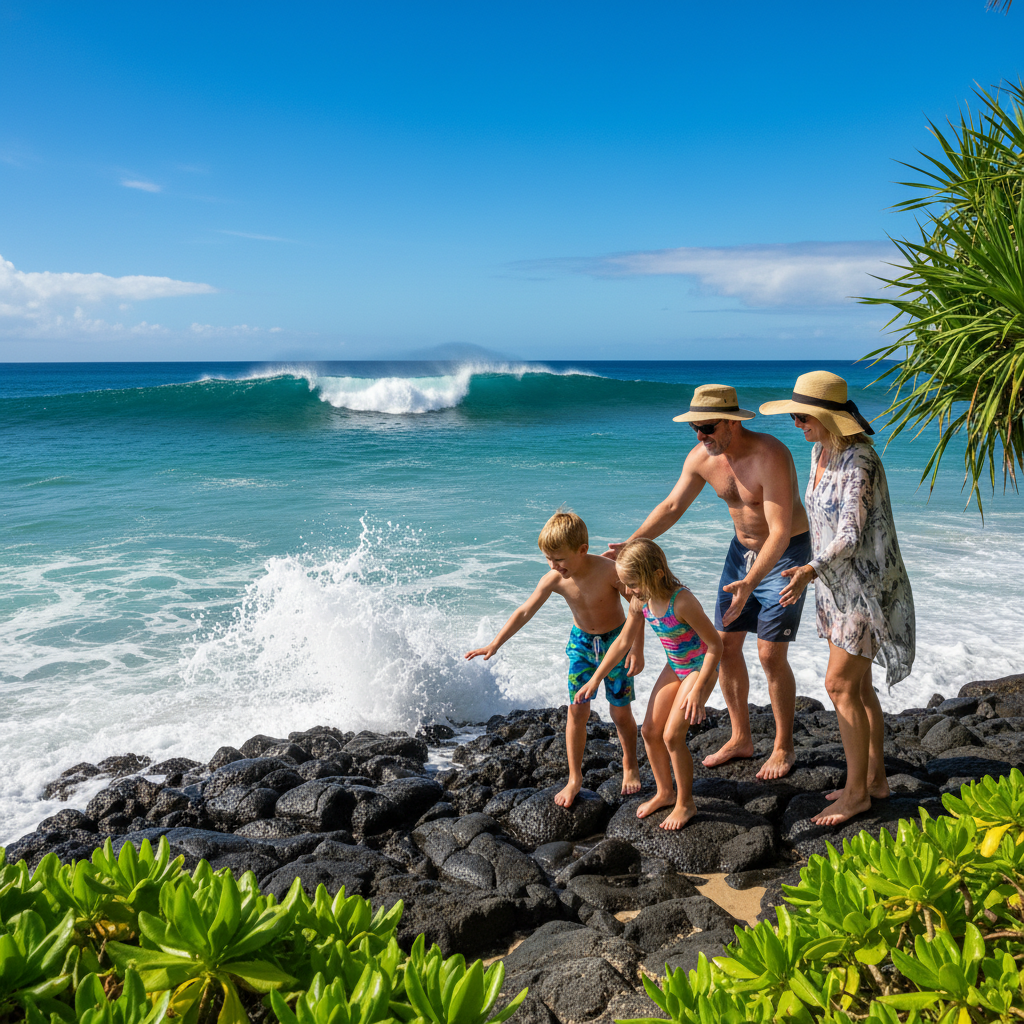
Understanding Lava Rocks and Tidal Surges in Hawaii
Hawaii's volcanic landscapes are stunning, yet they pose unique hazards, especially for families with children. Lava rocks, created from molten lava as it cools, are often sharp and can cause cuts or injuries. Additionally, tidal surges—rapid and unpredictable movements of water due to waves—can be dangerous near rocky shores.
When exploring these beautiful but perilous landscapes, it’s crucial to be aware of the risks and take appropriate safety measures. In this guide, we will cover important safety tips and strategies to protect your family from potential hazards while enjoying the beauty of Hawaii's coastline.
This engaging video showcases hiking experiences around lava rocks in Hawaii, where families can enjoy beautiful landscapes while learning about the geological features created by volcanic activity. It highlights the importance of staying on marked trails and keeping a safe distance from cliffs and water edges to prevent accidents.
By observing local guidelines and understanding the natural formations, families can learn to respect the environment and keep their children safe. The video also offers tips on appropriate footwear to navigate rocky terrains effectively, which is essential when exploring areas with lava rocks.
Essential Safety Tips for Families
Keeping kids safe while exploring Hawaii’s unique environments starts with education and planning. Here are some essential tips:
- Supervision is Key: Always keep an eye on your children. It’s easy for them to wander close to edges or slip on the rocky surfaces.
- Teach Water Safety: If your adventure brings you near tidal areas, reinforce the importance of staying back from the water's edge, especially during high tide.
- Wear Safe Footwear: Encourage kids to wear sturdy shoes with good grip. Flip-flops do not provide adequate protection in rocky areas.
- Plan Ahead: Use resources like local visitor centers to understand which areas are safe and suitable for families.
- Prepare for Emergencies: Have a first aid kit handy, and familiarize yourself with the locations of emergency services.
These practical guidelines can make a significant difference in your family’s safety while exploring volcanic landscapes. Preparing in advance empowers parents to make more confident choices during their adventures.
This informative video explains how tidal surges work and their potential dangers, particularly in rocky shore environments. By watching this clip, families can gain a better understanding of when and how tidal changes occur. Knowing what to anticipate can dramatically improve safety during water-themed activities.
In addition, the video teaches viewers how to read tide charts and be mindful of natural rhythms, which is crucial for maintaining a safe distance from hazardous waters. Enhancing your knowledge before venturing onto the beaches will make for a safer and enjoyable experience.
Choosing Family-Friendly Beaches
When visiting Hawaii, selecting family-friendly beaches that feature safe swimming conditions is essential. Here are some beach recommendations:
- Waikiki Beach (Oʻahu): Known for its shallow waters, it's ideal for families with young children.
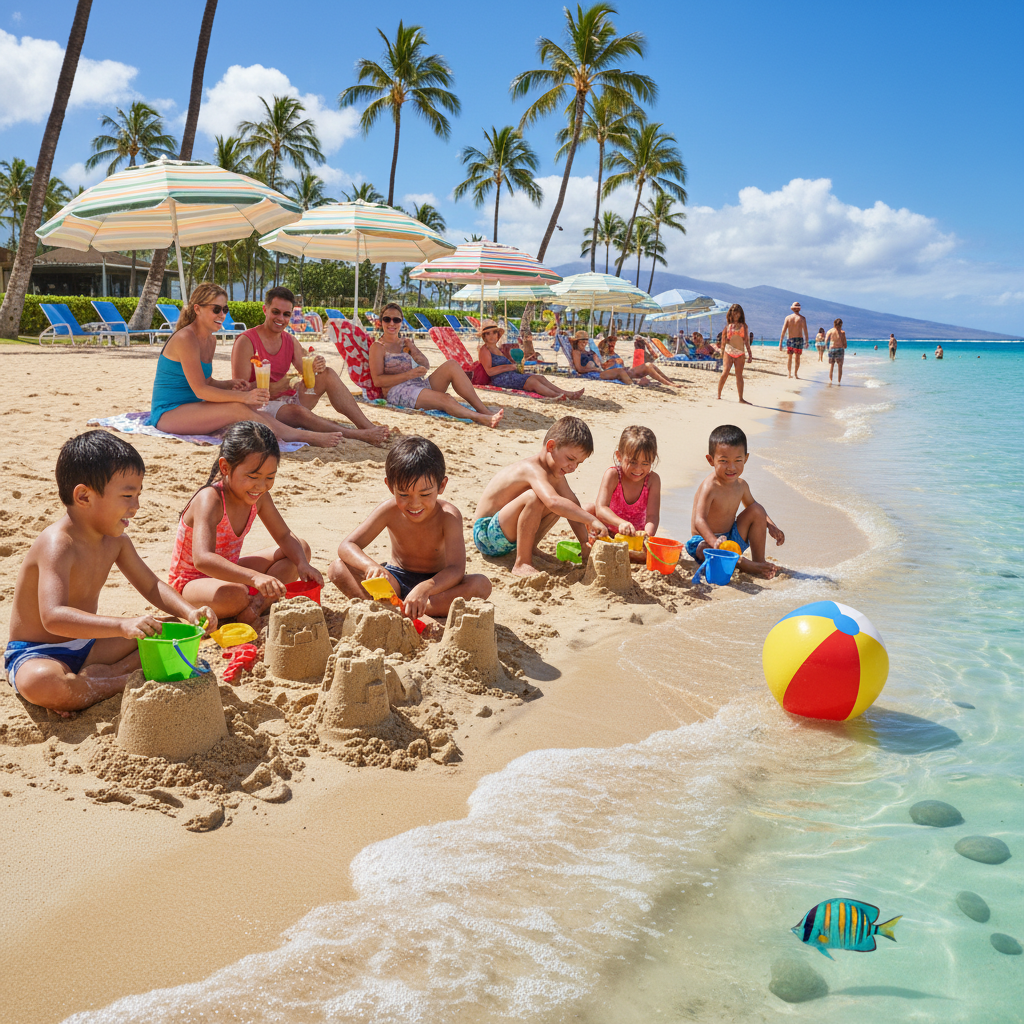
- Hapuna Beach (Big Island): This spacious beach has gentle waves and soft sand, perfect for building sandcastles.
- Poipu Beach (Kauaʻi): Renowned for its protective outer reef, making it a safe choice for kids to play in the water.
These beaches typically have lifeguards on duty and facilities, enhancing safety and comfort for families. When choosing your beach, assess the water conditions and check for any posted safety warnings.
Check out this Instagram reel showcasing families enjoying safe beach activities in Hawaii. The clip captures joyful scenes of kids swimming and playing on the beach, emphasizing how enjoyable beach time can be when safety is prioritized.
Also, it's a great reminder to educate children about recognizing lifeguard signals and following rules to ensure a positive experience at the beach. This visual also encourages families to bond while experiencing Hawaii’s natural beauty in a safe environment.
Emergency Preparedness
Having a plan in case of emergencies ensures your family can respond quickly. Here’s how you can prepare:
- Identify Nearby Hospitals: Know where the nearest medical facilities are located in case of injuries.
- Keep Personal Identification: Have ID and emergency contact information for children on hand during outings.
- Teach Kids Basic Safety: Ensure children know how to call for help and recognize safe adults.
Preparedness is about practicing what to do if emergencies arise, so talk with your kids about scenarios they might encounter. Simulating these situations can aid in knowing how to act sensibly when faced with challenges.
This video focuses on ocean safety, covering essential tips to keep in mind while enjoying Hawaii's beaches. Viewers can learn about rip currents, proper swimming techniques, and the importance of heeding safety signs.
Understanding ocean conditions before entering the water is crucial for keeping families safe. Familiarizing yourself with these principles encourages better decision-making, allowing families to enjoy the ocean without incident.
The Importance of Respecting Nature
Alongside safety measures, it’s vital to teach children to respect Hawaii’s natural environment. Here are some principles to instill:
- Leave No Trace: Teach kids to clean up after themselves at beaches or during hikes.
- Respect Wildlife: Explain the importance of not disturbing animals in their natural habitats.
- Stay on Trails: Encourage your kids to stick to established paths to protect the ecosystem.
By fostering a sense of responsibility, children learn to appreciate their surroundings and reduce their environmental impact. This education not only enhances individual experiences but contributes to the preservation of Hawaii's beauty for future generations.
Check out this inspiring Instagram reel emphasizing environmental stewardship. It features children engaged in activities that highlight the beauty of preserving nature–from clean-up efforts to respectful observation of wildlife.
Having kids involved in such activities not only strengthens their connection to the environment but also builds valuable life skills. Watching this reel offers insight into creative ways families can enjoy the outdoors while promoting a culture of respect.
Plan Your Perfect All-Inclusive Escape
Want clearer comparisons, smarter planning tools, and resort-by-resort insights?
Contact UsExplore more resort guides, comparisons, and planning tips:
Visit Our Blog